
Designing a Year-Round Sauna Space Built for Every Season
A sauna should never feel seasonal. When designed properly, it becomes a place you return to year after year—through deep winter, early spring, and everything in between. In a climate like Alberta’s, creating a year-round sauna isn’t about excess. It’s about intention.
Designing a sauna that performs comfortably in every season starts long before the first heater turns on. It begins with smart construction choices that protect warmth, manage moisture, and create a seamless experience from the moment you step inside.
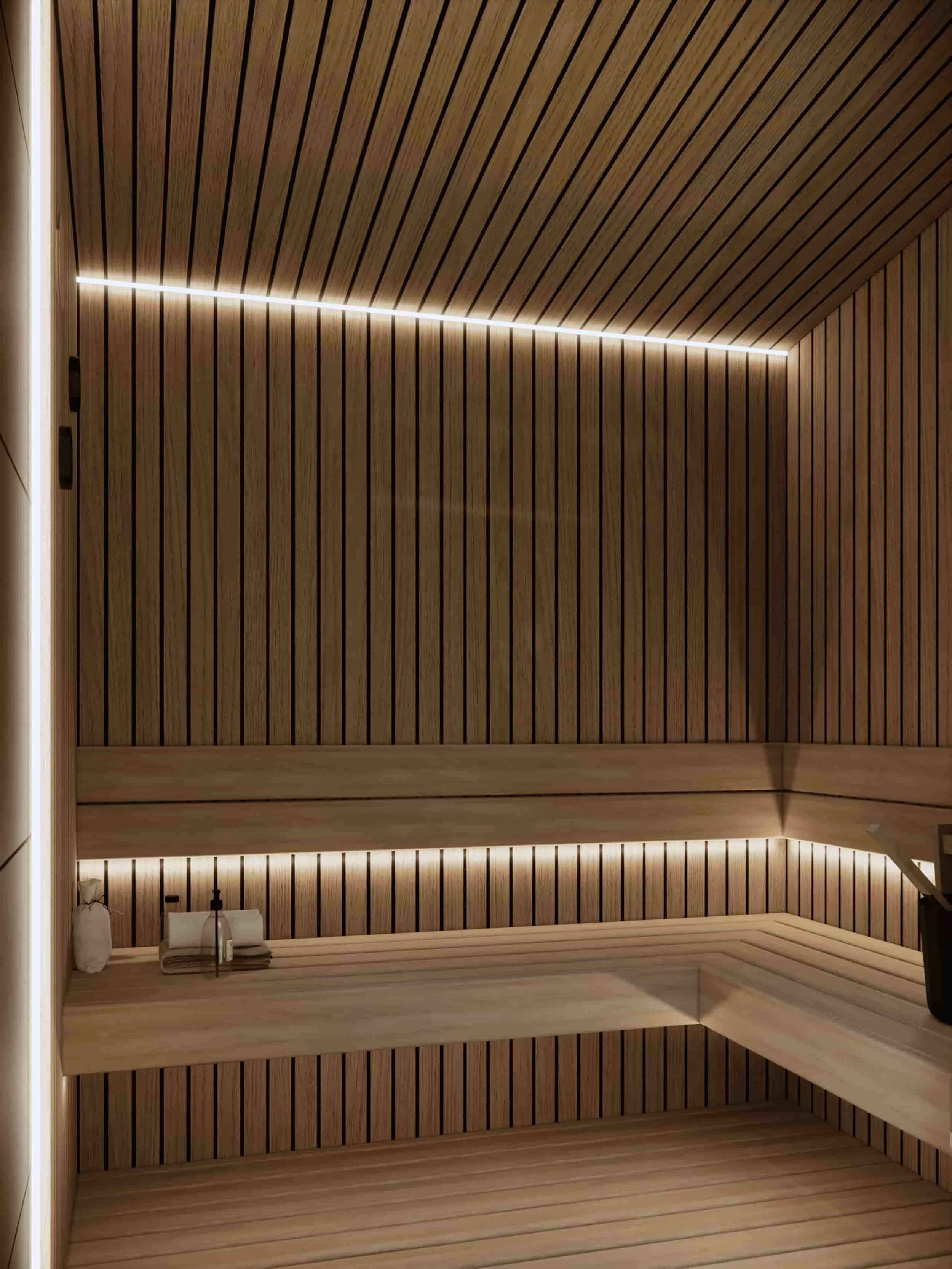
Protecting Comfort from Within
Insulation is the foundation of a four-season sauna. Without it, heat escapes quickly and performance suffers. According to the North American Insulation Manufacturers Association, properly insulated exterior structures maintain consistent interior temperatures while using less energy. In sauna design, this means insulated walls, ceilings, and floors working together to trap heat efficiently—especially important during colder months.
Just as important is moisture control. Saunas naturally produce heat and humidity, which means vapor barriers and proper ventilation are essential. When designed correctly, these systems protect the structure itself while ensuring the interior environment remains comfortable and breathable year-round.

Designed to Move Naturally
Heating is the heart of the sauna experience. Outdoor sauna heaters are specifically designed to handle fluctuating temperatures, allowing the space to reach optimal heat levels even in freezing conditions. The right heater choice—matched to the size and insulation level of the sauna—ensures consistent performance without long warm-up times.
Beyond functionality, layout plays a major role in how the space feels. A year-round sauna should flow naturally with its surroundings. Covered entryways, sheltered transitions, and thoughtful placement near a lounge or seating area help maintain warmth while enhancing the overall experience. These small design decisions make winter use feel effortless rather than forced.

In Step with the Seasons
Materials also matter. Woods such as cedar and thermally modified timber are commonly used in sauna construction because of their durability, resistance to moisture, and ability to retain warmth. These materials age beautifully while standing up to temperature swings—making them ideal for outdoor use.
A truly four-season sauna isn’t built to fight the weather—it’s built to work with it. When insulation, heating, and layout are designed with purpose, the result is a space that feels just as inviting in January as it does in July.

At its best, a year-round sauna becomes part of daily life. A place to reset after long days, to warm up after cold mornings, and to reconnect with a slower pace—no matter the season.
Sources
North American Insulation Manufacturers Association — thermal performance in exterior structures
Mayo Clinic Proceedings — physiological effects of sauna heat and temperature consistency
Harvard Health — outdoor sauna use and cold-climate wellness
International Sauna Association — design standards and heater considerations
